
From the Lab Bench to the Storyteller's Desk
I wanted to know: why do our bodies work the way they do? And how do you take something as detailed as cells and systems and turn it into something that actually helps people?
That curiosity took me straight to the lab. For over eight years, that was my world. It was all about hypotheses, pipettes, and a lot of late nights looking at data.
My PhD at Monash wasn't just about the degree. It was about chasing a feeling I had. I spent years working alongside 100 amazing Malaysian women, looking at the connection between what we eat, our gut health, and gestational diabetes. Getting our work published in Scientific Reports was a big deal, but what mattered more was the idea that our findings could one day help shape better care for mothers who are at risk.
But my path took a turn. After the lab, I stepped into the world of pharma medical sales. My job was to sit with doctors and tell the story of new treatments using clinical studies, data, and evidence to explain the real-world benefits. It taught me something powerful: data alone doesn't change minds. Stories do.
Now, I don't just write reports. I build bridges between data and real understanding. I take messy study results and turn them into clear manuscripts, slide decks, and materials that teams and doctors can actually use. I've helped guide over 60 research papers through editing to make sure they're ready for top journals.
Whether it's a summary for a biotech company, a deep-dive review, or educational materials for specialists, my goal is always the same: to make sure good science is seen, understood, and actually used.
My strength comes from mixing a researcher's eye for detail with a storyteller's need to connect. I bring my PhD discipline, my HEOR strategy skills, and my focus on Good Clinical Practice to everything I do.
I'm not just at the lab bench asking "why" anymore. Now I'm at my desk, answering the most important question: "So what does this actually mean?"
If you have a scientific story that needs to be told clearly, accurately, and with real impact, let's talk.
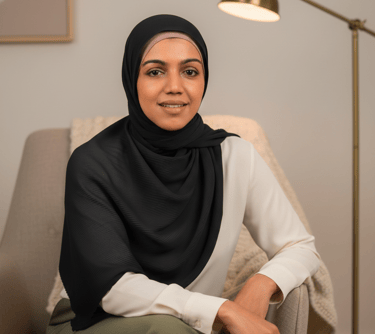
-Thubasni Kunasegaran, PhD-


Our Founders' Stories
Architecting the Path from Discovery to Delivery
My career has always revolved around one principle: great science needs great process. I’ve spent years building bridges between research benches, clinical trial sites, and the complex supply chains that bring medical innovations to life.
It began in the lab. As a Research Scientist at the University of Malaya's VETOX Labs, I didn’t just run experiments; I designed them, secured funding for them, and communicated their outcomes through publications and presentations. I learned that data only becomes meaningful when it is structured, analyzed, and communicated with precision. This was where I honed my ability to turn complex findings into clear, actionable insight.
My path deepened when I stepped into the world of clinical research coordination at the University Malaya Medical Centre, working alongside teams from organizations like Eli Lilly. Here, I managed the meticulous details of clinical trials by ensuring protocol adherence, maintaining investigator site files, and upholding Good Clinical Practice.
Today, I apply this same discipline to the heart of medical operations. As a Material Planner in the med-tech and biopharma sector, I ensure the resources needed to build and deliver medical products are where they need to be, when they need to be. I lead technical writing for compliance, from shelf-life extensions to risk assessments, translating regulatory requirements into actionable plans. I’ve learned that moving science forward depends just as much on strategic execution as it does on brilliant discovery.
I co-founded MedixWrite because I believe in architecting clarity. Whether it’s a research protocol, a clinical trial document, or a strategic project plan, I build the reliable frameworks that allow science to shine and therapies to move forward, delivered with precision, on time, every time.
-Tasnim Faisal, PhD-

© 2026. All rights reserved.

Clear, credible medical communication designed to move science forward.